Harvest Recommendations
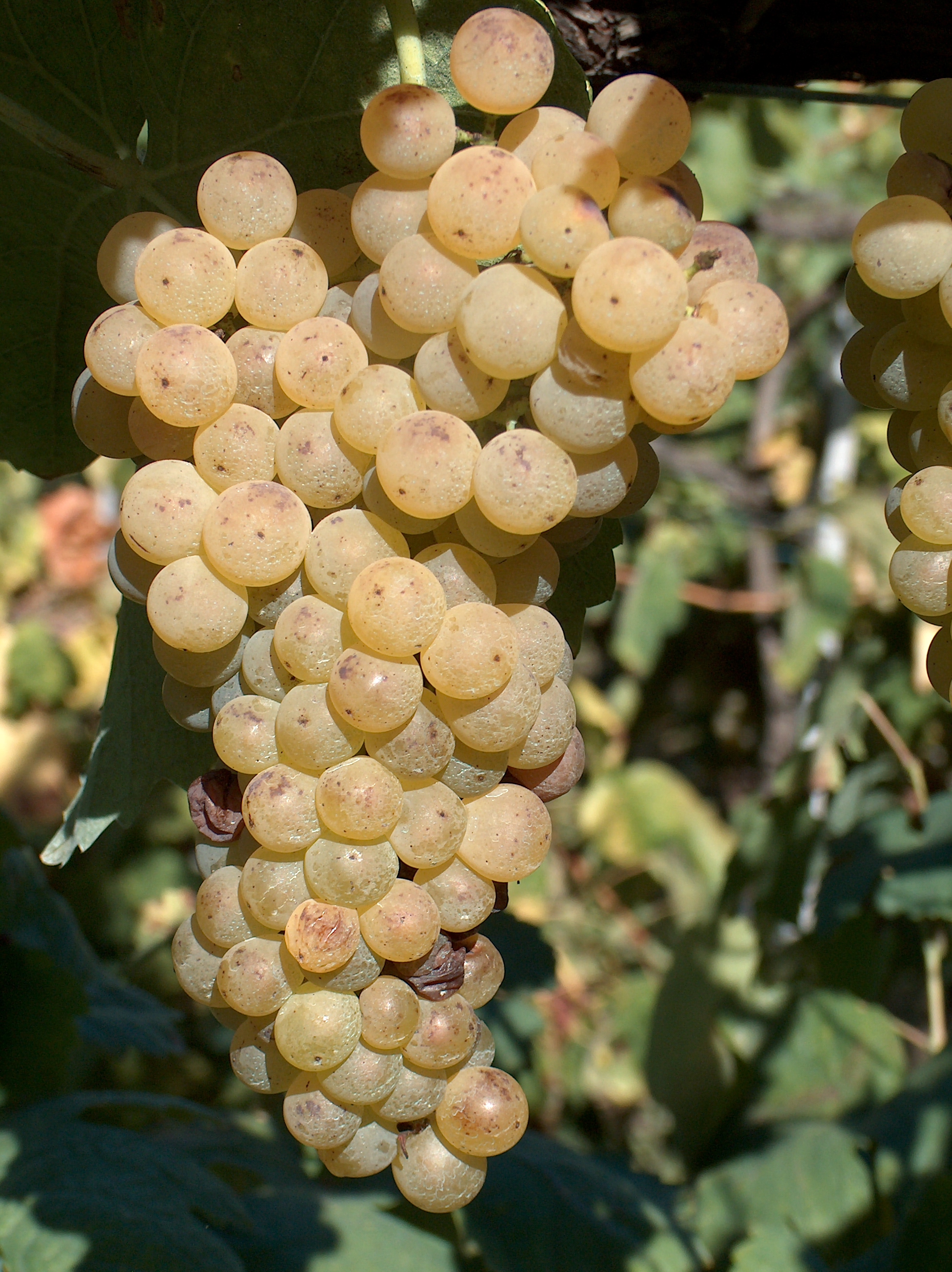
When the grapes have reached full ripeness, which is to say, the potential alcohol content is very close to the desired values, the time is right to begin the harvest.
To produce high-quality, well-balanced wines, with desirable aromas and no off-notes, the grapes must be picked well-ripened, and any rotten berries should be rejected. Spoiled grapes not only impart moldy aromas to the wines but also hinder both grape pressing and must and wine clarification.
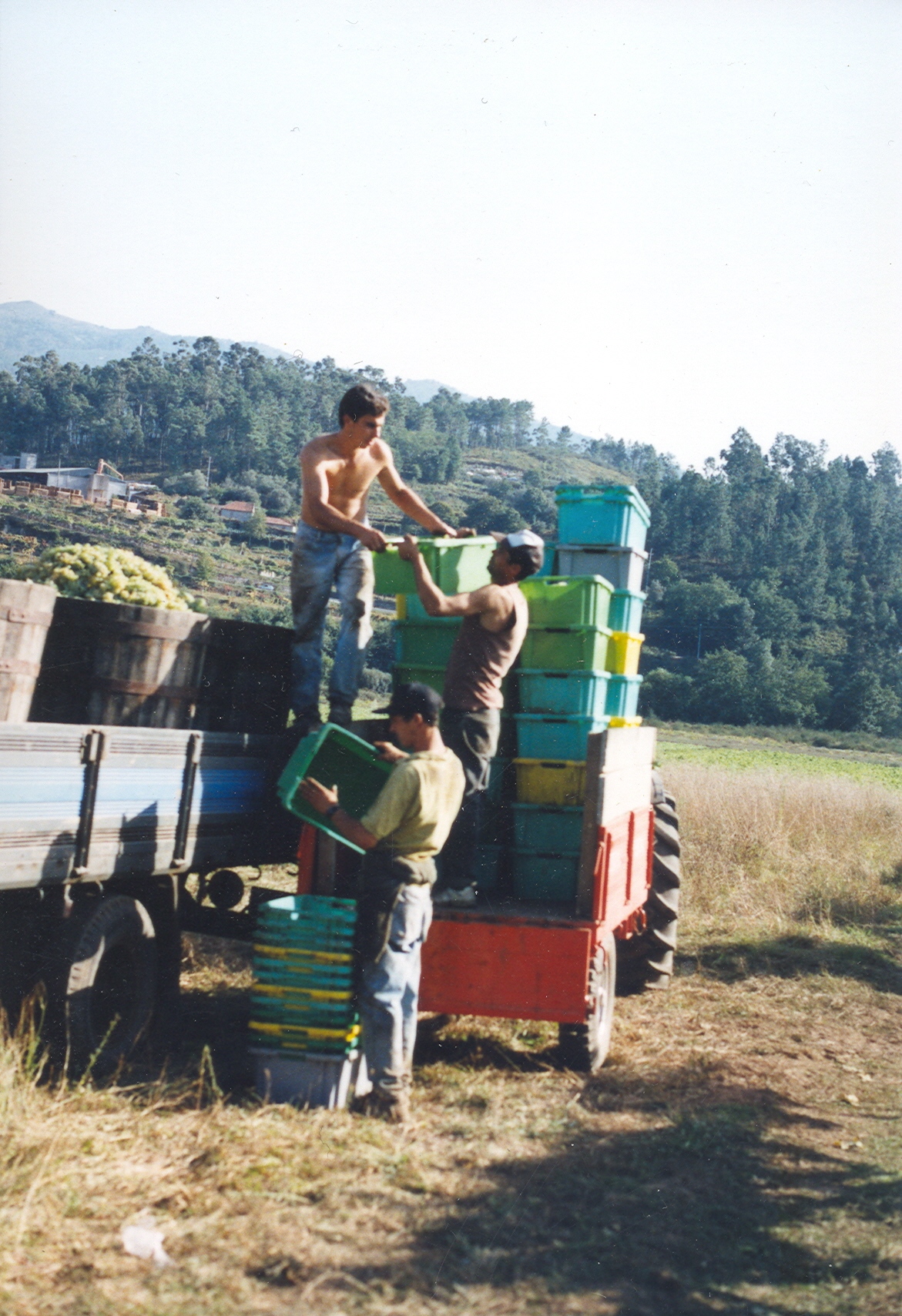
Harvest and transport
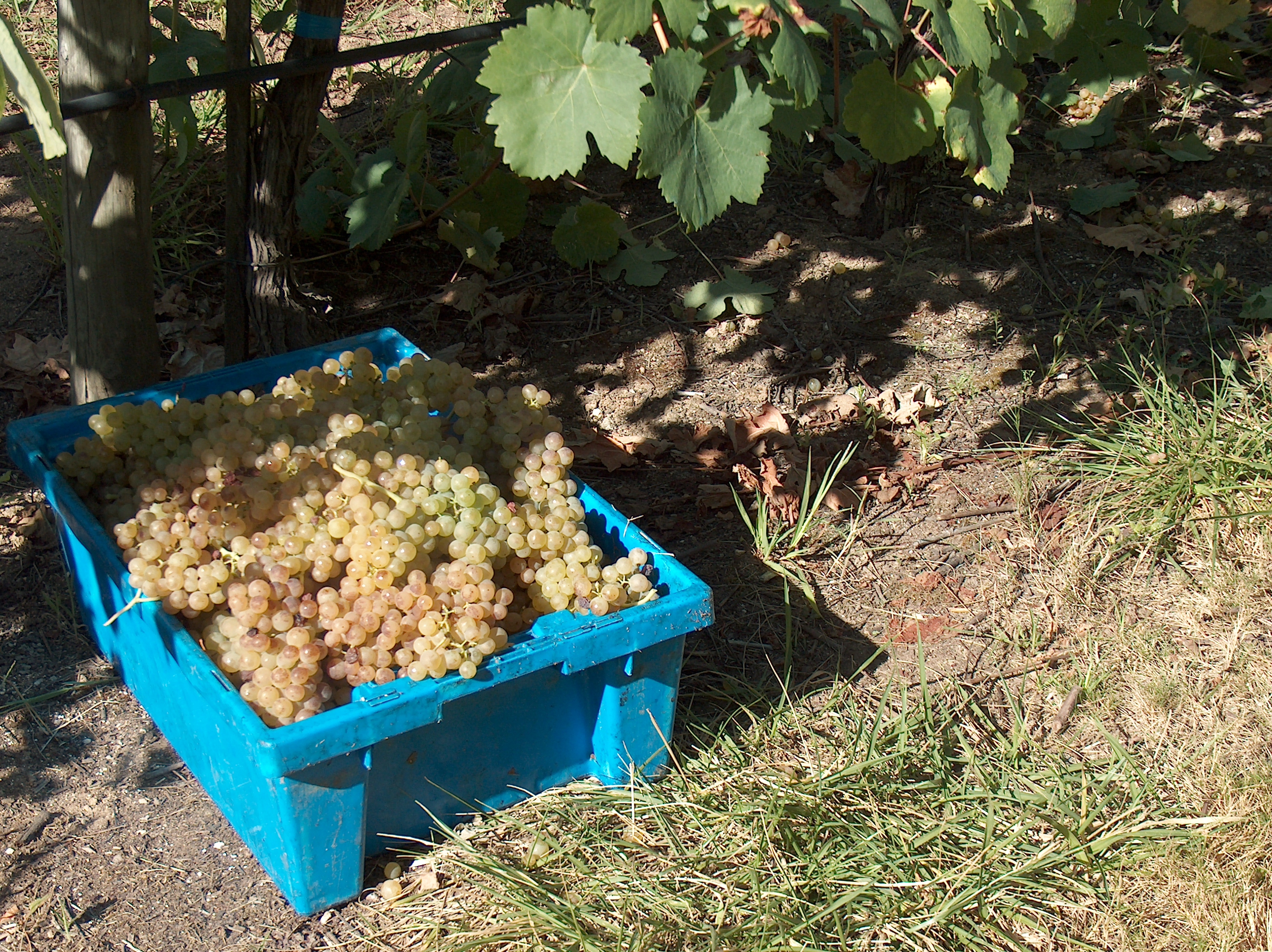
Great care must be taken to avoid breaking the berry skins, as this may result in must loss, infections caused by yeasts and undesirable bacteria, and the loss of skin aromas when enzymatic oxidation takes place upon contact with the air. Specialized shears should be used to minimize these risks, and to speed up and improve harvesting quality. Workers must carefully remove any extraneous objects such as green or dried leaves, twigs, or dirt, etc.
The following recommendations should be observed when transporting harvested grapes :
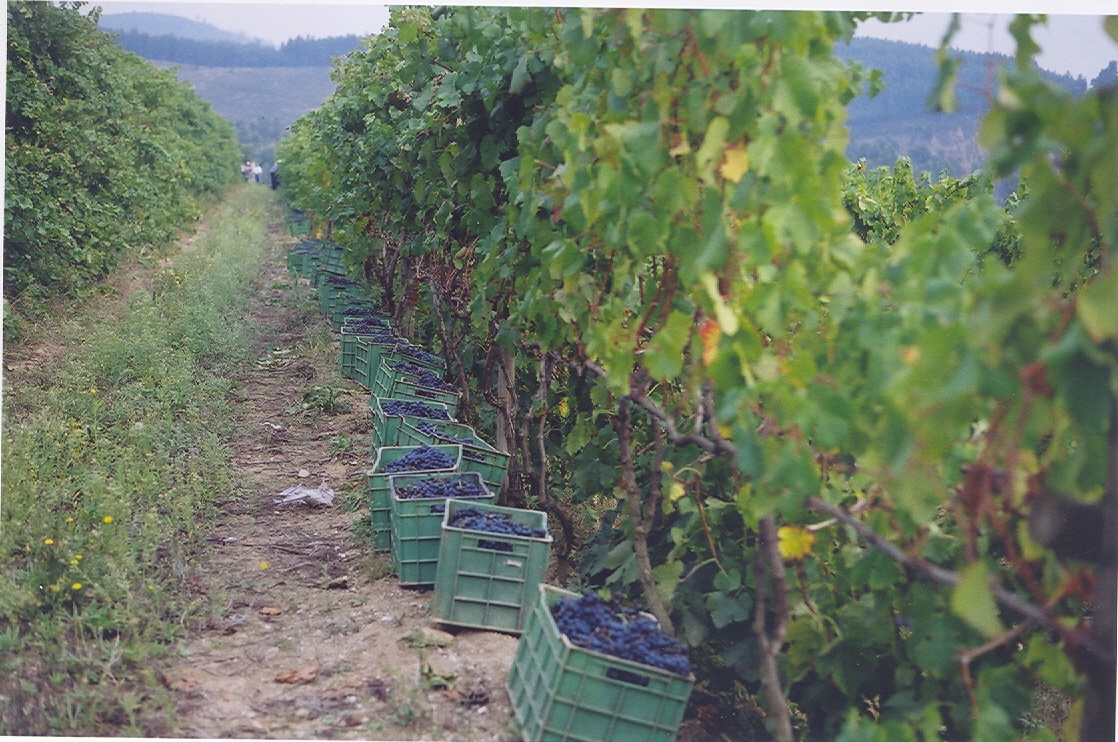
- Transportation containers should be small; if traditional wooden tubs or metal containers are still being used for economic reasons, the grapes should not be trampled to increase the containers’ capacity.
- The grapes should be hauled to the grape processing facility as quickly as possible. Leaving grapes overnight, whether at the vineyard (weather permitting) or at the winery, without beginning vinification, is a serious error.
- Grapes should not be exposed to direct sunlight for long periods while the containers are being filled (be they boxes, tubs or vats). This is to prevent grape temperatures from rising as this hinders all the steps in the vinification process (risks include: difficulties in settling the must, high fermentation temperatures, and greater likelihood of microbial contamination, etc.).
- In the event of rain during the harvest, the risk that the potential alcohol content may fall must be attenuated by preventing any rainwater from entering the harvesting containers (boxes, tubs, or any others), both during loading at the vineyard and especially during transport to the winemaking site.
Mechanical harvesting
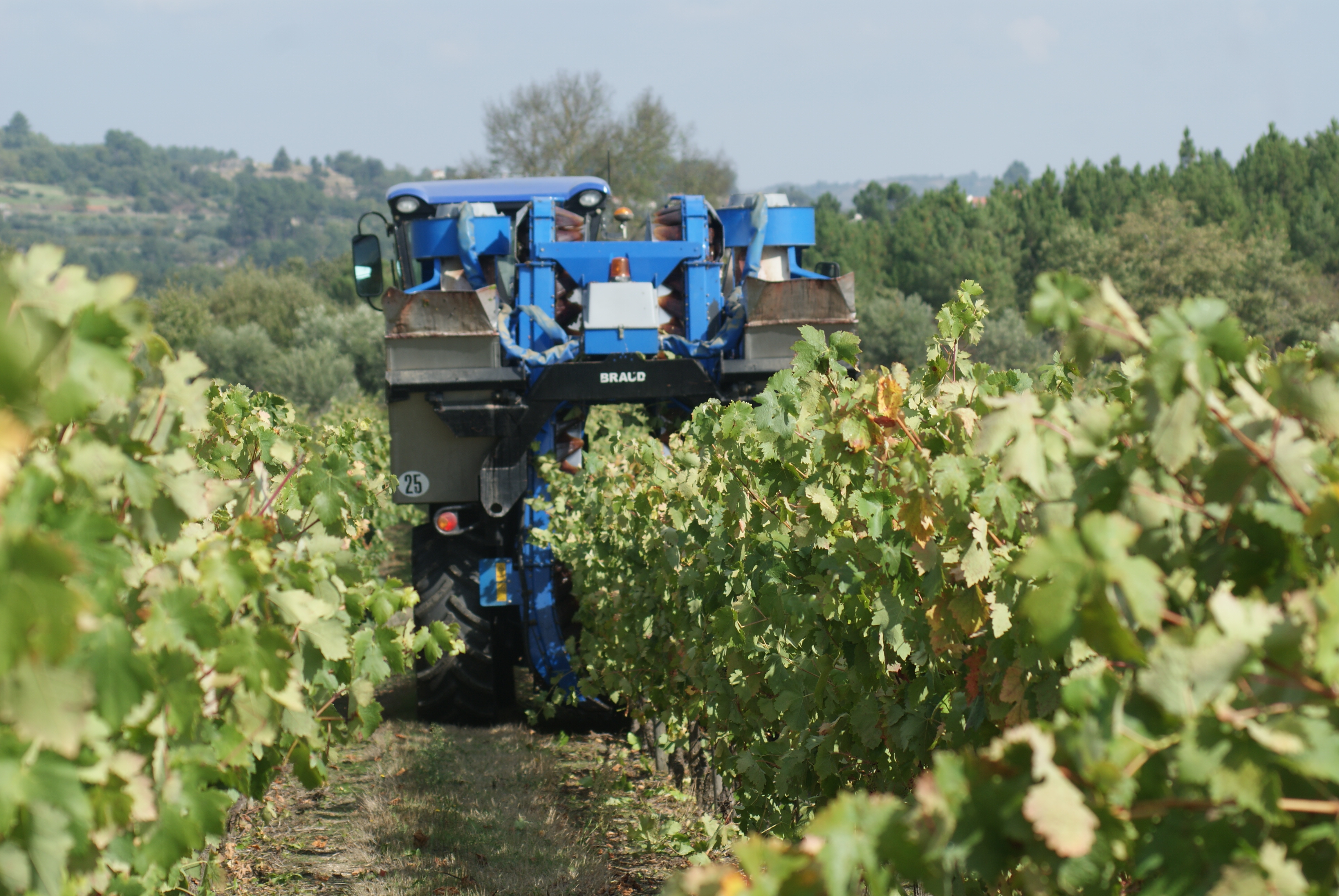
In the Vinhos Verdes region, only the largest and highest volume producers use mechanical harvesting. The vineyard must be designed for these purposes, namely regarding the trellis strength and vine alignment.
The technology has been evolving in order for mechanical harvesters to only pick perfect berries with the right consistency, leaving behind any unripe or dry berries.
Depending on the established quality objectives, grape lots of differing quality can be harvested from within the same plot and/or variety. Another approach which yields distinctive quality is a two-pass harvest in which a first, manual harvest targets premium grapes which have had more sun exposure or have smaller berries or those from sandier soils or hilltop terrains. A second, mechanical harvest can then follow.
Another alternative is to target only red wine varieties with mechanical harvesting. This is because, following destemming, these berries and must are less susceptible to oxidation than white wine varieties. After each hopper is filled, the grapes are dumped into wooden containers for transport to the winery.
A harvester such as the New Holland/VL 620 takes about 1.5 hours to harvest one hectare, when working large plots with good access. Mechanical harvesting is roughly half the price of manual harvesting.
New Holland harvesters are considered a symbol of excellence in vineyards worldwide as they use Braud technology and have the capacity for constant innovation. Their features include a pendulum harvesting head, bucket elevator reception system, premium shaking systems, and comfortable cabs.