Optimal Harvest Date
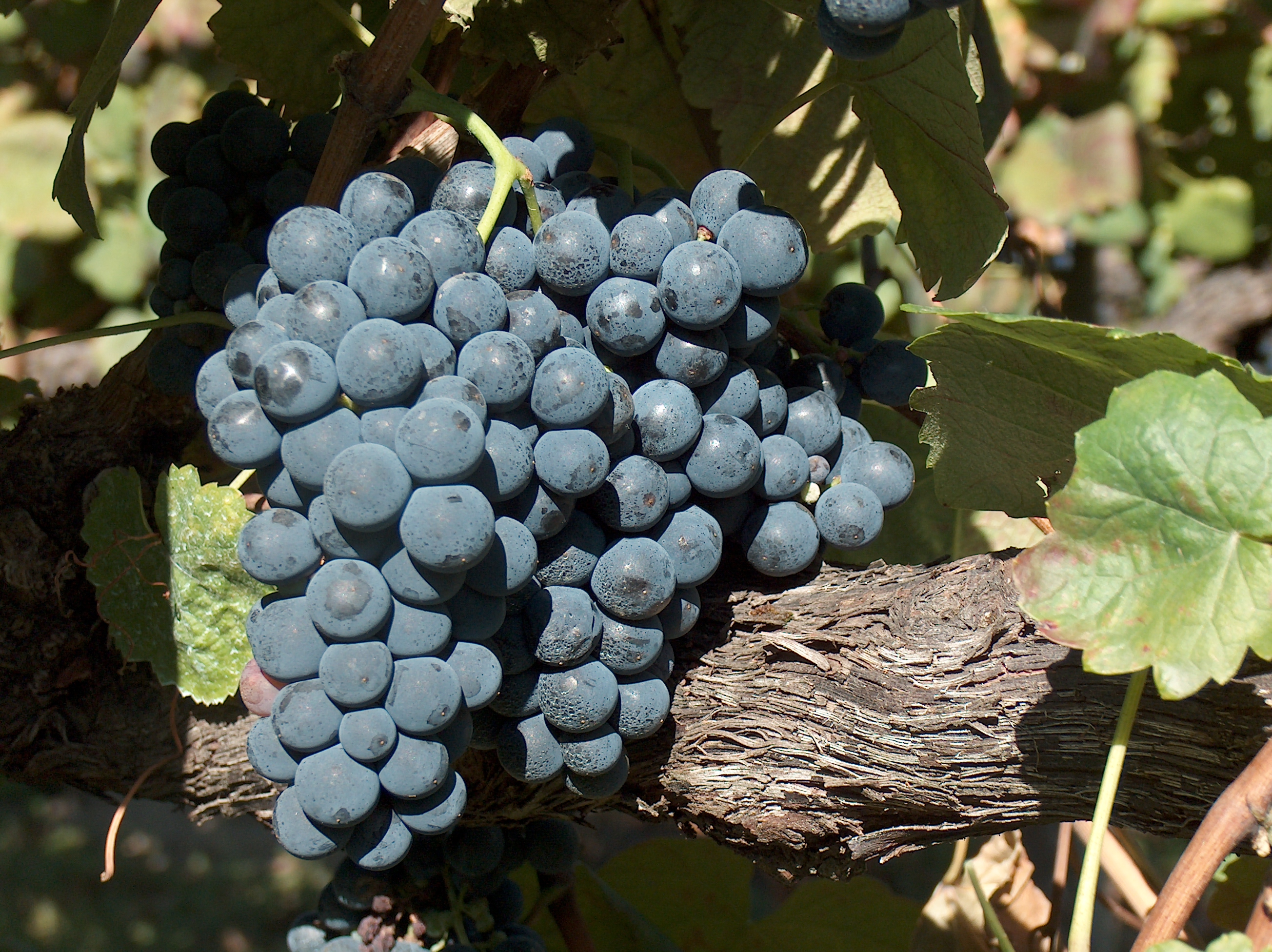
It is important to harvest at the optimal time, i.e. when the grapes are ripe and healthy. To determine the harvest date, simple, empirical yet subjective methods can be used, such as:
- simple visual observation
- berry skin coloring
- ease with which the berries detach from the clusters
- the stickiness of the must against the fingers
- the sweetness of the berries when tasted, and
- mature, slightly brown seeds.
Alternatively, more precise methods measure ripeness by gauging the increase in sugar concentration and the decrease in must acidity. These two should stabilize at the same time as the berry weight is at its height.
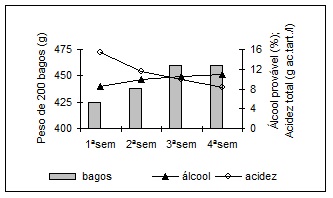
To obtain a representative sample of the plot, at least 50 vines per hectare must be selected from across the plot. Sugar content is measured in two ways, by refractometry or densimetry, whereas acidity is determined using the titration method with 0.1 N sodium hydroxide solution.
Roughly three to four weeks before the probable harvest date, about four berries are harvested from the previously marked vines, from a selection of locations, at the front and back of the fruiting arm, from the top and bottom of the clusters, and alternating between one side of the row to the other to try to obtain as representative a sample as possible. This sampling takes place every 8 days and is followed by analysis of the must. When two consecutive samples show the same sugar concentration i.e., the same potential alcohol content, and the acidity levels have also plateaued, it is a sign that the berries have reached the appropriate level of ripeness and that parcel can be harvested. However, rain may cause stagnation or reverse the normal progression (leading to a decrease in potential alcohol content and an increase in acidity). Consequently, the results must be carefully evaluated.
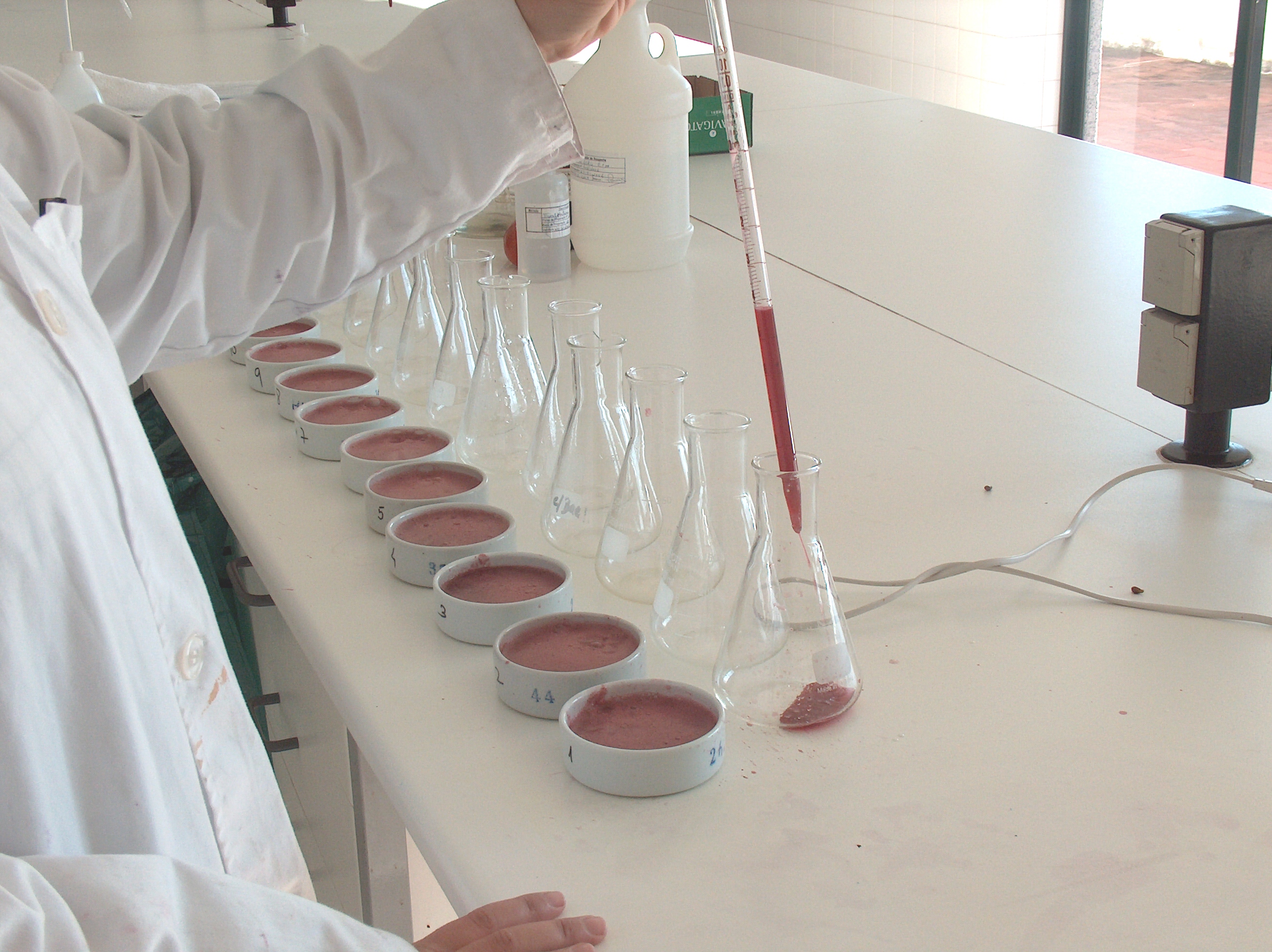
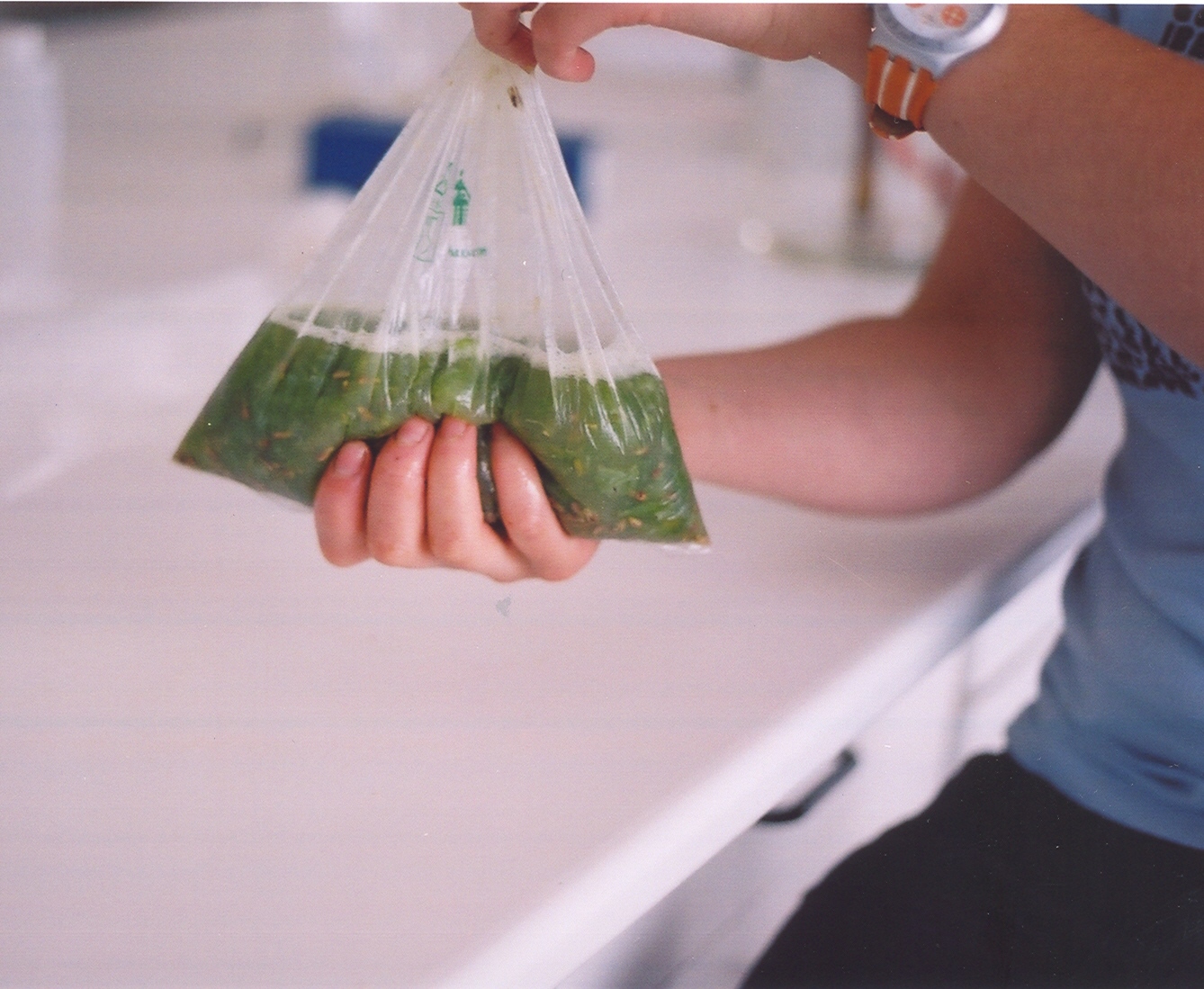
In order to measure the potential alcohol content and total acidity, the harvested berries have to be crushed to obtain a certain volume of must. Must hydrometers require higher volumes of must, in the order of 300 berries per parcel, to obtain 200 ml of must, which is poured into a 250 ml beaker. To minimize errors, the must should be previously filtered or strained with a fine mesh strainer or a clean, dry cloth. Otherwise, small particles (pulp and small skin fragments) will remain in suspension and the viscosity will interfere with measurement and may negatively affect the results.
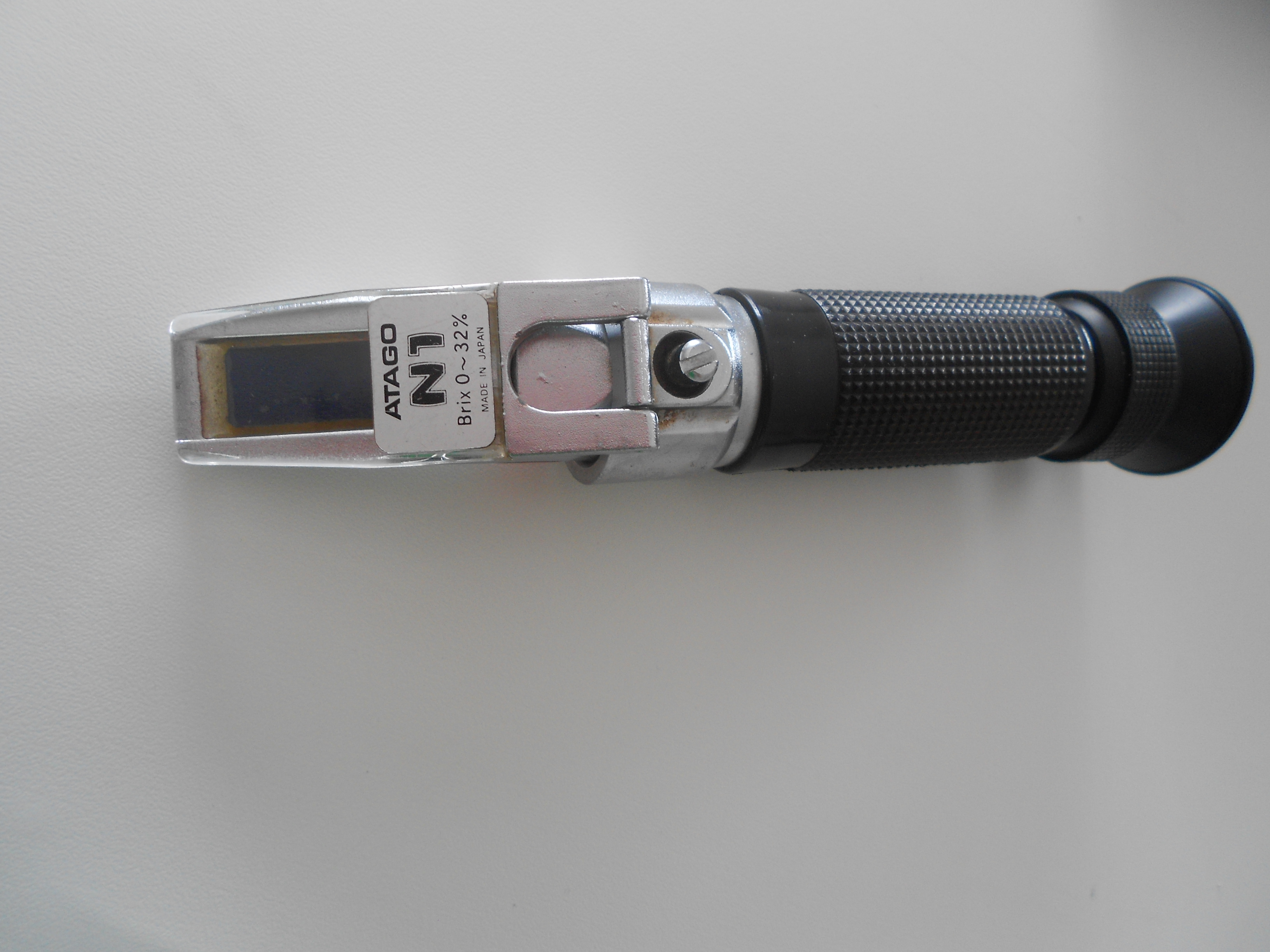
The same precaution is not needed with the refractometer, since only one drop of must is required to ascertain the potential alcohol content. Nevertheless, the equipment should be calibrated in advance using distilled water to prevent measurement errors.
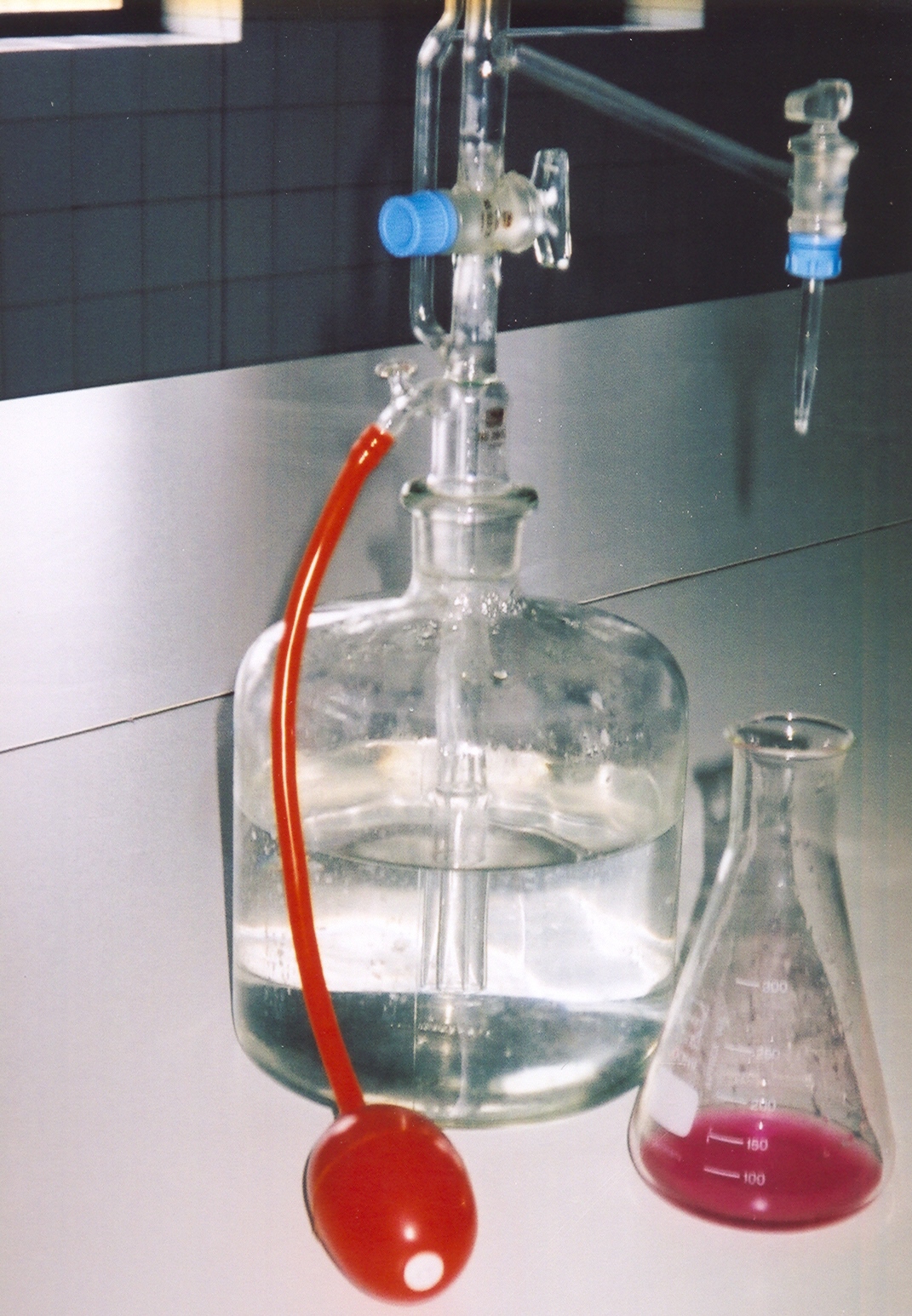
Must acidity is determined by transferring 10 ml of filtered must into a flask and adding a few drops of indicator (phenolphthalein for whites and bromothymol blue for reds). The sample is titrated with a 0.1 N sodium hydroxide (NaOH) solution, drop by drop, until a color change signals the endpoint of acid neutralization (pink for white grape must and blue for red grape must).